Five Indicators Of Autism In Adults And The Relevance Of Obtaining A Medical Diagnosis
Additionally, some kids without ASD might present several of these behaviors. But also for those with ASD, these behaviors can be turbulent or challenging to day-to-day live. As they develop, some youngsters with autism spectrum disorder become much more involved with others and reveal less disruptions in habits.
Autistic Grownups' Experiences In Adulthood
Accepting this understanding not just enhances your understanding however additionally equips you to support those around you that might be influenced by these conditions. Autism encompasses a series of conditions characterized by challenges in social interactions, interaction, and behavior. Identifying these facets can promote a helpful atmosphere for people on the range. Repeated behavior can encompass other locations, such as having a stringent and repetitive dish routine, eating problems, or much more.
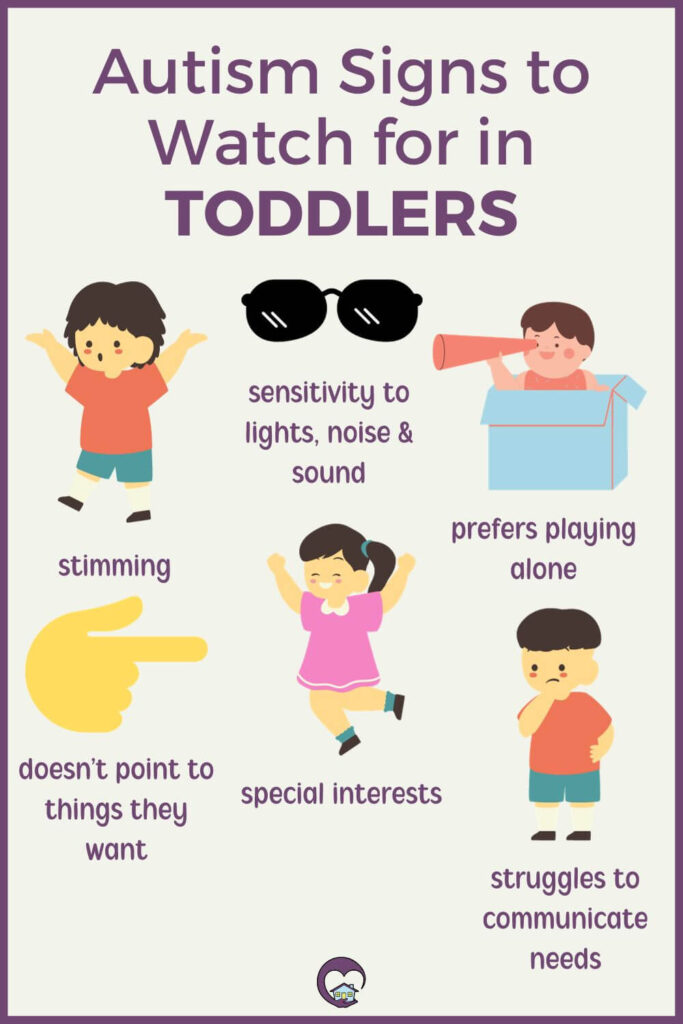
- It's critical to recognize that each kid is unique; these indications can show up independently or in combination.That's due to the fact that "people with ASD are mosting likely to be processing social info in different ways," Dr. Quaratella claims.Because indications commonly appear within the initial 2 years of life, autism is frequently taken into consideration a childhood developmental concern.
You Regularly Feel Misunderstood And Don't Recognize What You Did Wrong
What You Can Do To Sustain Your Child
If you have autism, you might struggle to check out social signs, navigate discussions, keep eye get in touch with, or keep friendships. That's because "individuals with ASD are going to be refining social details differently," Dr. Quaratella claims. They can aid offer understanding of the entire autism range, allowing those in rejection to see a brighter future for their loved ones. People identified with autism might mask more often because they are masking for their very own rejection than https://jsbin.com/kiwakudaxo for comfort around others. They may internalize the stigma that occasionally surrounds autism and use that to pretend their diagnosis isn't genuine.